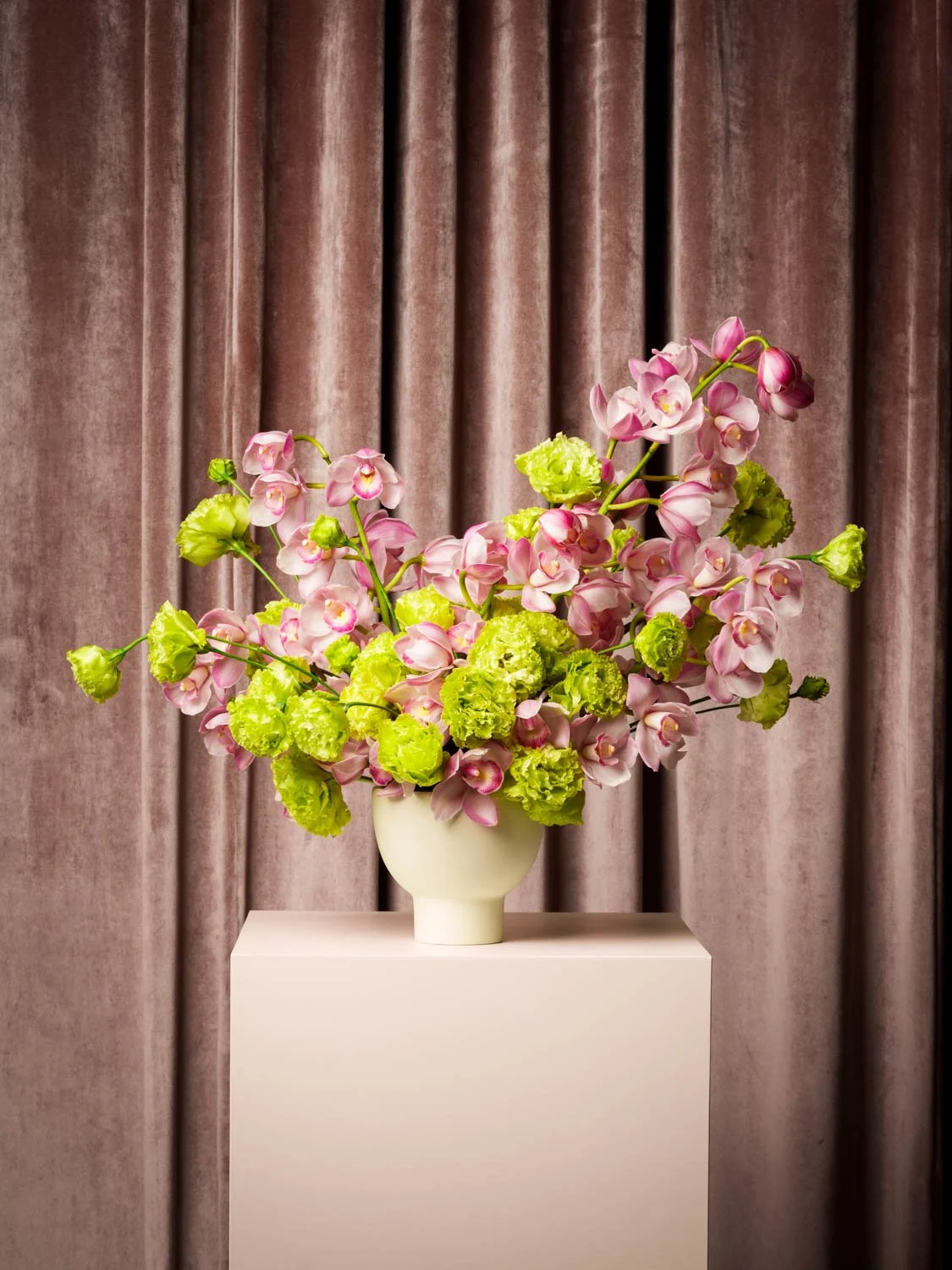

ATELIER ETHOS
Atelier Fleurette operates as a small studio. This scale allows the work to be approached with care and intention.
Limited Fleurette releases, made-to-order arrangements, and installation-based work help reduce unnecessary production and botanical waste.
Flowers are living materials shaped by soil, season, and care. The work seeks to honour the natural systems and growers that make them possible.
Sustainability in botanical design is an evolving practice. The atelier continues to refine its methods as new materials and techniques become available.

THE APPROACH
Fleurs are inherently ephemeral. Their beauty lies in their impermanence.
Every stem that enters our atelier has been grown somewhere, tended by growers, transported over distance, and handled with care before arriving.
At Atelier Fleurette, this reality informs every composition.
We approach floristry with the same intention as any other design discipline: to work thoughtfully with natural materials, minimize waste where possible, and honour the natural and human resources that produce fresh fleurs.
THE FLEURS
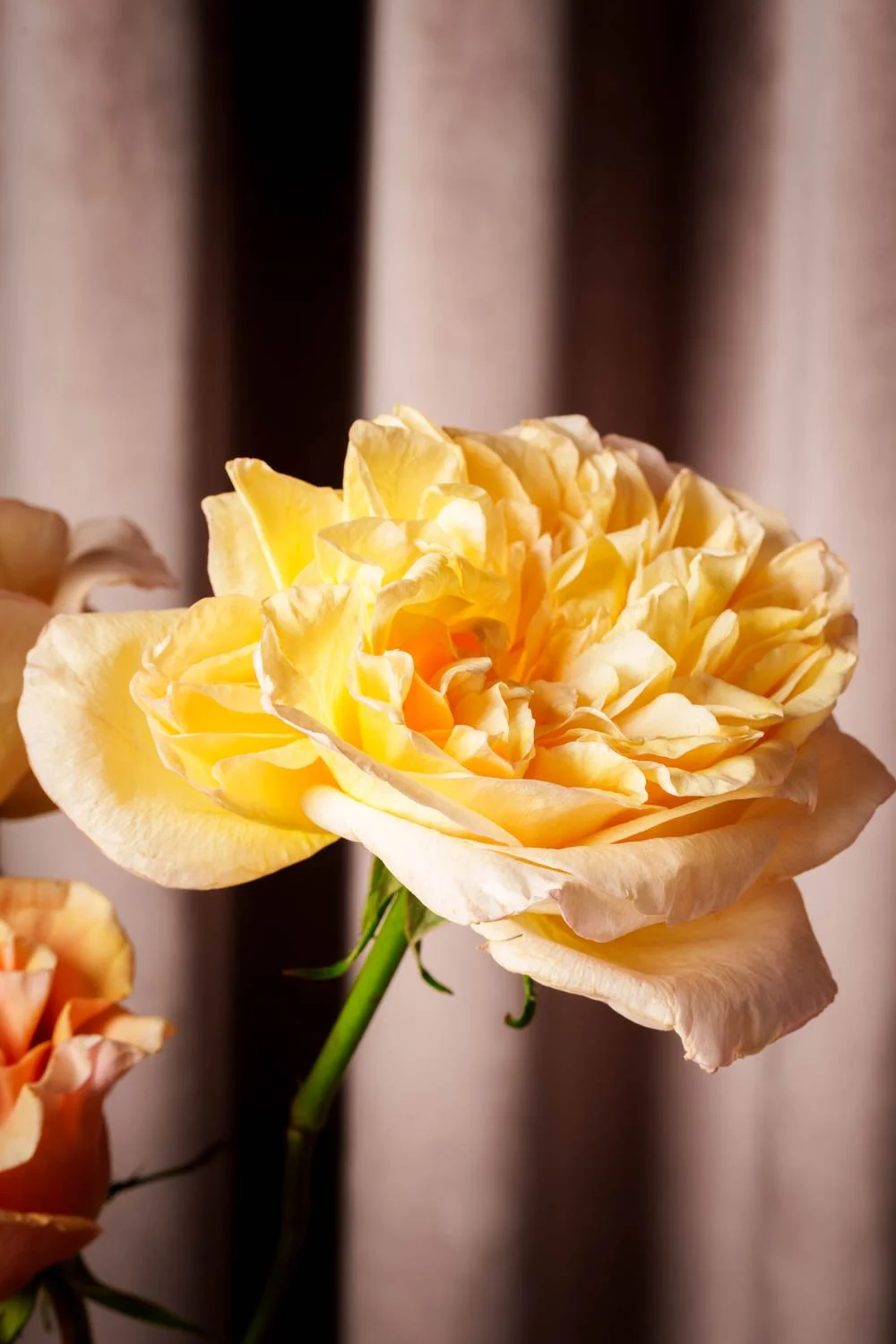
Botanical design relies on delicate natural resources. Our approach prioritizes responsible sourcing and mindful use.
Whenever possible, the atelier works with seasonal flowers and botanical materials grown within our region. During the growing months in Zone 7A, priority is given to sourcing from local growers and farms across Ontario, as well as to partnerships with trusted wholesalers that support the regional flower economy.
Supporting small growers and seasonal production often requires greater flexibility and material investment. This investment strengthens the local ecosystem and economy while keeping botanical materials closer to their place of origin.
Floristry will never be completely waste-free. Our aim is to reduce impact wherever possible while preserving the integrity and beauty of each composition.
THE INDUSTRY
Floristry is an international industry.
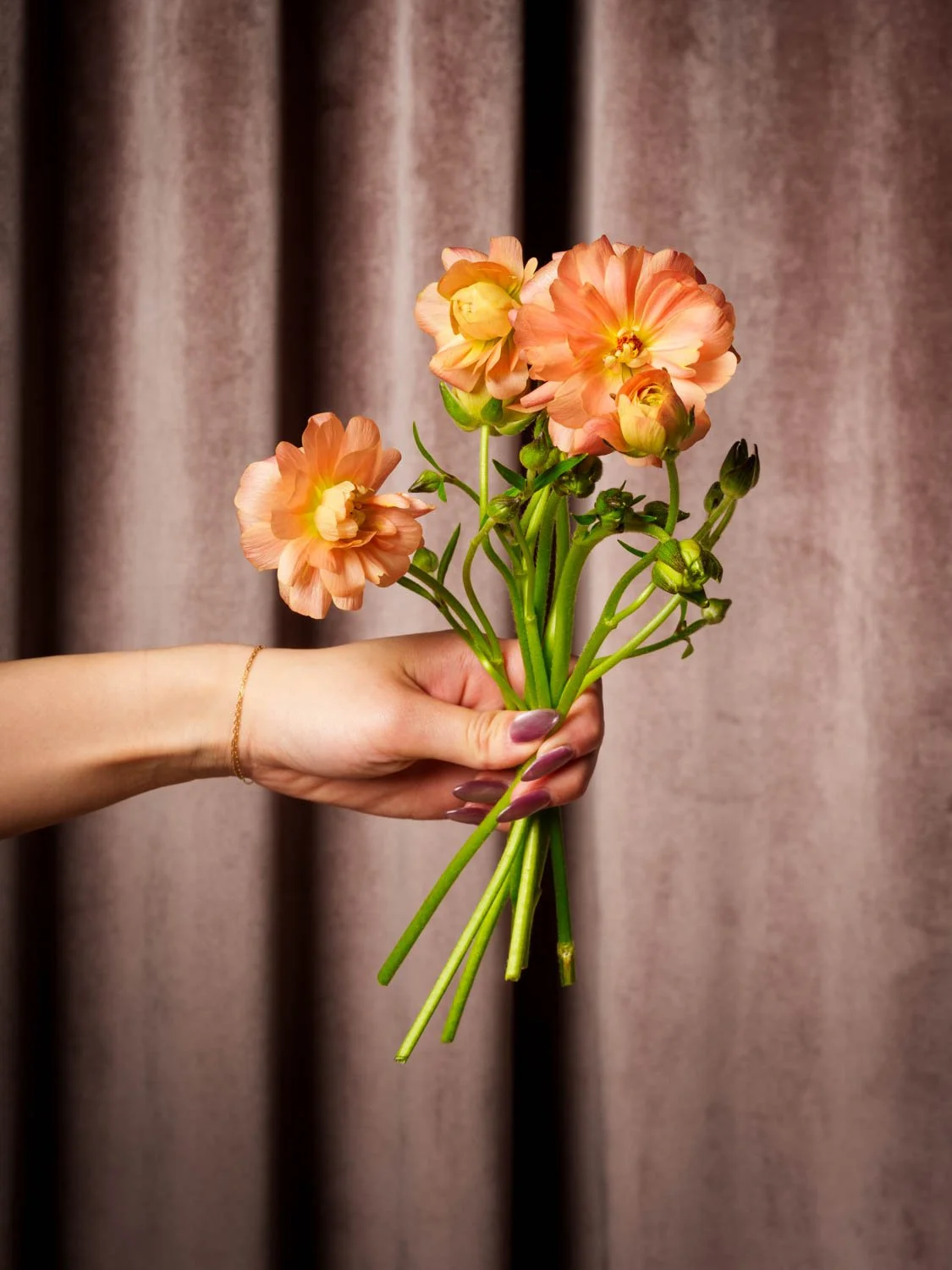
Many flowers used in contemporary design are grown in regions whose climates allow them to thrive year-round. For florists located outside these regions — including our atelier — these global supply networks enable us to work with extraordinary botanical materials year-round.
Atelier Fleurette approaches imported materials with intention.
Imported materials are selected carefully for their form, rarity, and contribution to a composition, rather than being used indiscriminately.
THE MECHANICS
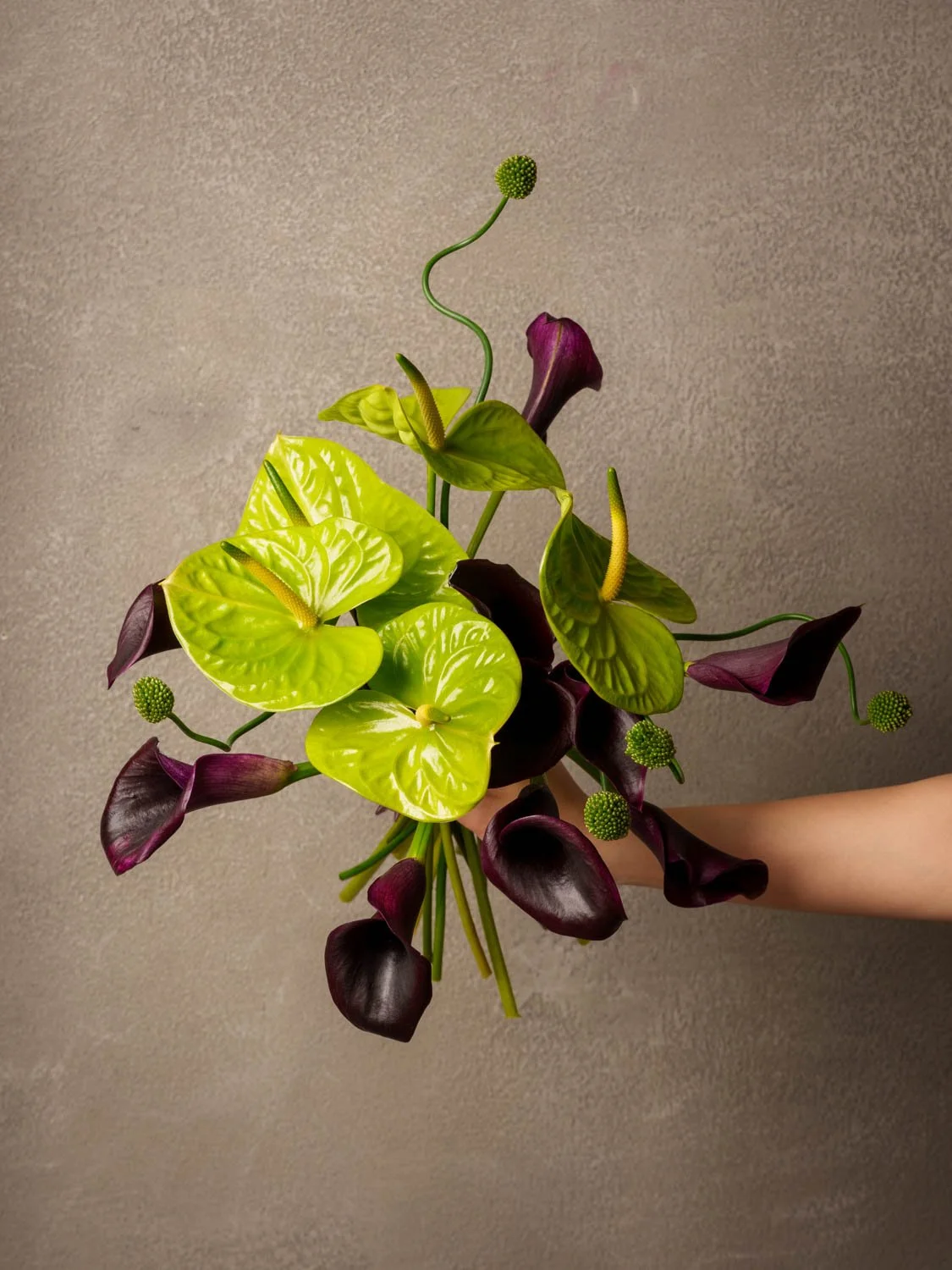
Botanical design relies on mechanical structure to support natural materials.
Traditionally, this meant using floral foam, which has a significant environmental impact.
Atelier Fleurette reduces the use of foam wherever possible, favoring alternative methods such as biodegradable non-foam substitutes, pin frogs, chicken-wire structures, and armateur techniques.
These approaches require greater time, care, and material investment, but they allow flowers to be secured with fewer disposable materials and reflect the atelier’s commitment to working more responsibly with botanical forms.
THE VESSELS
All Atelier Fleurette vessels utilised in brand installations and private ceremonies are provided for rental only.
Rather than producing arrangements in disposable containers, the atelier maintains a curated selection of vessels that are repeatedly used across projects and installations.
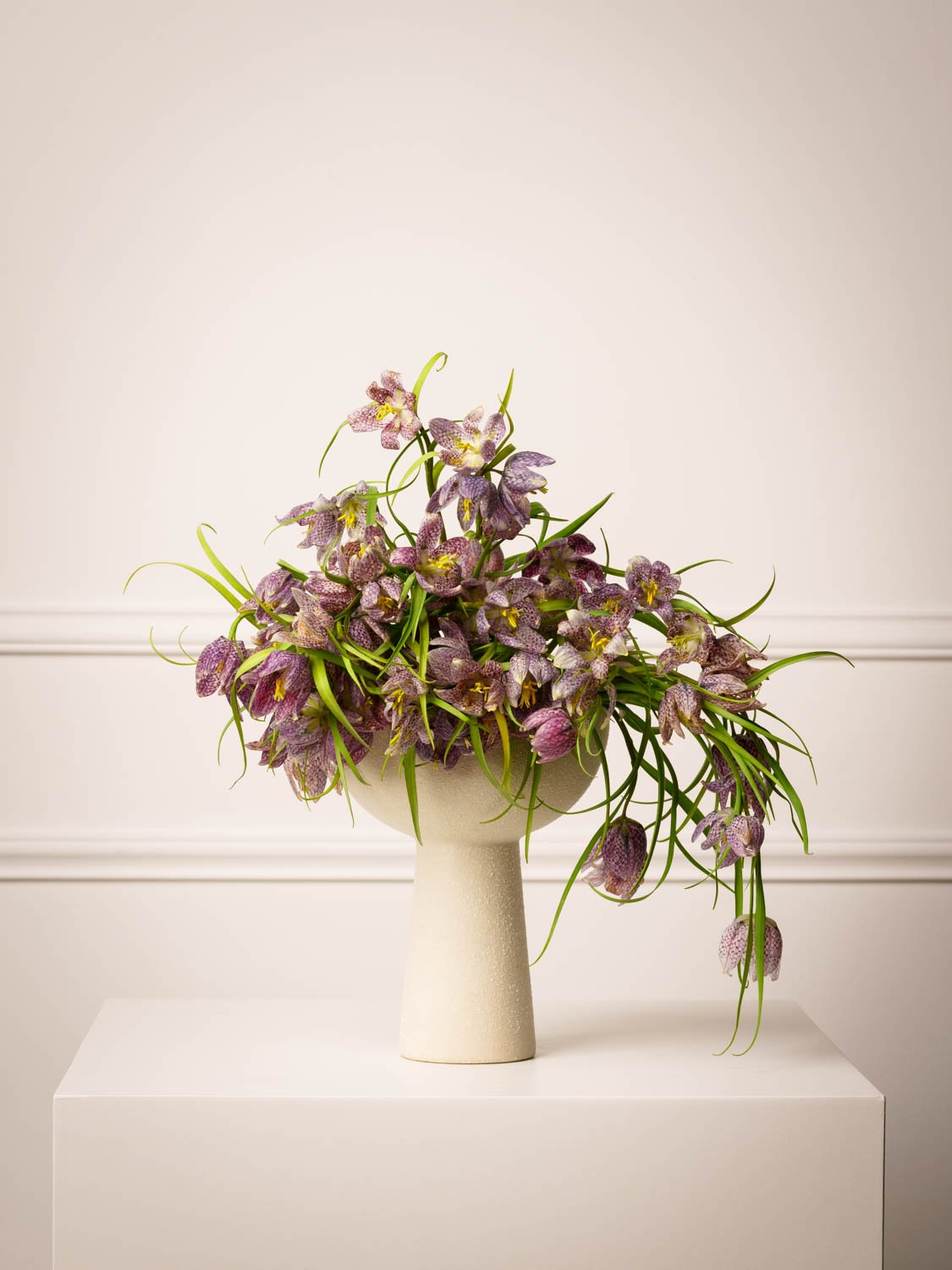
This approach reduces material waste while allowing each composition to be presented in objects chosen specifically for their form, proportion, and relationship to the fleurs.
The vessel becomes part of our design language and not something discarded after a single use.
SECOND LIFE
Fleurs are impermanent, yet their lifecycle can often be extended.
Waste in floristry frequently begins with excess. At Atelier Fleurette, each arrangement is approached as a composition rather than a mass of stems.
Materials are selected for their lines, forms, and silhouettes, an approach that naturally limits unnecessary volume while allowing the character of each botanical element to remain visible.
When possible, arrangements and event compositions are designed with a second life in mind. Flowers may be repurposed across event spaces, composted or recycled when materials allow, or preserved through drying to create future arrangements.
Designing with intention helps ensure that every stem serves a purpose, even after death, honouring the invisible ecosystems to which flowers belong.